Proposed Constitution & Bylaw Amendments
Strengthening Regional Representation on the NIEA Board of Directors
For more than a year, the National Indian Education Association (NIEA) has engaged members in a thoughtful review of how regional representation on the Board of Directors can better reflect the diversity of Native communities across the United States.
The proposed Constitution and Bylaw amendments would expand regional representation on the NIEA Board while maintaining the current twelve-member Board.
Voting members will consider the proposed Constitution and Bylaw amendments during the 2026 NIEA Elections on Friday, October 9, 2026, at the 57th Annual NIEA Convention & Trade Show in Buffalo, New York. If approved, implementation would begin through a phased transition beginning in 2027.
At a Glance
Current Board Structure
6 Regional Representatives
4 General At-Large Representatives
2 Student At-Large Representatives
12 Total Board Members
Proposed Board Structure
10 Regional Representatives
0 General At-Large Representatives
2 Student At-Large Representatives
12 Total Board Members
The proposal would increase the number of geographic regions represented on the Board from six to ten while preserving student leadership and the overall size of the Board.
Why Is NIEA Proposing a Change?
In 2018, NIEA transitioned from a fully at-large Board to a regional representation model that established six geographic regions, four general at-large positions, and two student representatives.
This was an important step toward strengthening geographic representation across Indian Country, Alaska, and Hawaiʻi.
Since its implementation, the Governance Committee and Board of Directors have continued to evaluate how the regional model functions in practice. Through that review and feedback from NIEA members, several opportunities for improvement emerged:
Significant differences in membership size among existing regions
Large geographic areas represented by a single Board member
Limited opportunities for representation in some areas
Challenges created by existing regional restrictions
A desire for stronger regional engagement and member voice
These observations helped guide the development of the current proposal.
What Is Changing?
The proposed amendments would maintain a twelve-member Board of Directors while changing how ten of those seats are structured.
The proposal would:
Expand from 6 regional representatives to 10 regional representatives
Eliminate the 4 general at-large Board positions
Maintain 2 student at-large Board positions
Continue ensuring that no more than two non-student Board members represent the same Tribe at one time
Require the two student representatives to come from different regions and represent different Tribes
Proposed Regional Structure
The proposal would establish ten geographic regions:
Alaska
Hawaiʻi
West
Northwest
Southwest
North Plains
South Plains
Great Lakes
Northeast
Southeast
The intent is to create regions that are more balanced geographically and by NIEA membership while providing additional opportunities for regional representation.
Proposed Regional Map
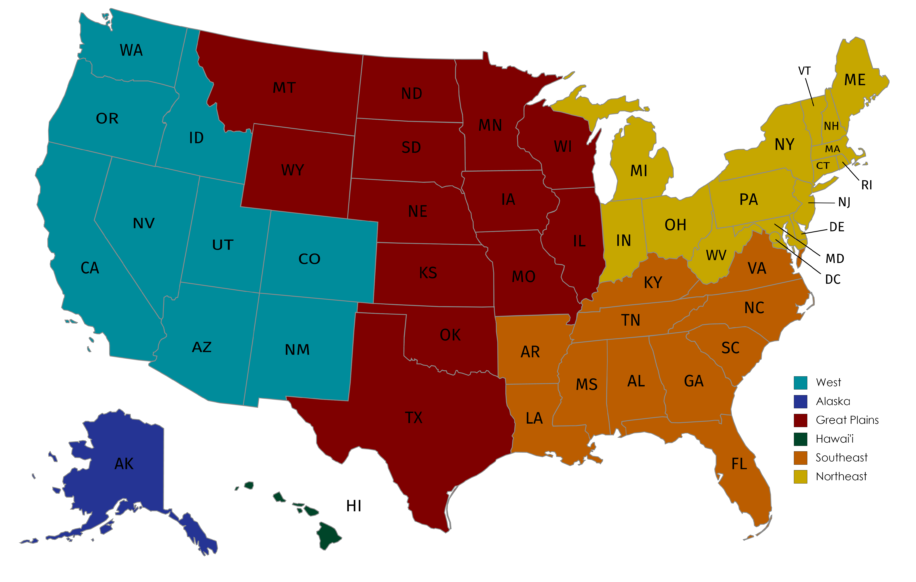
CURRENT
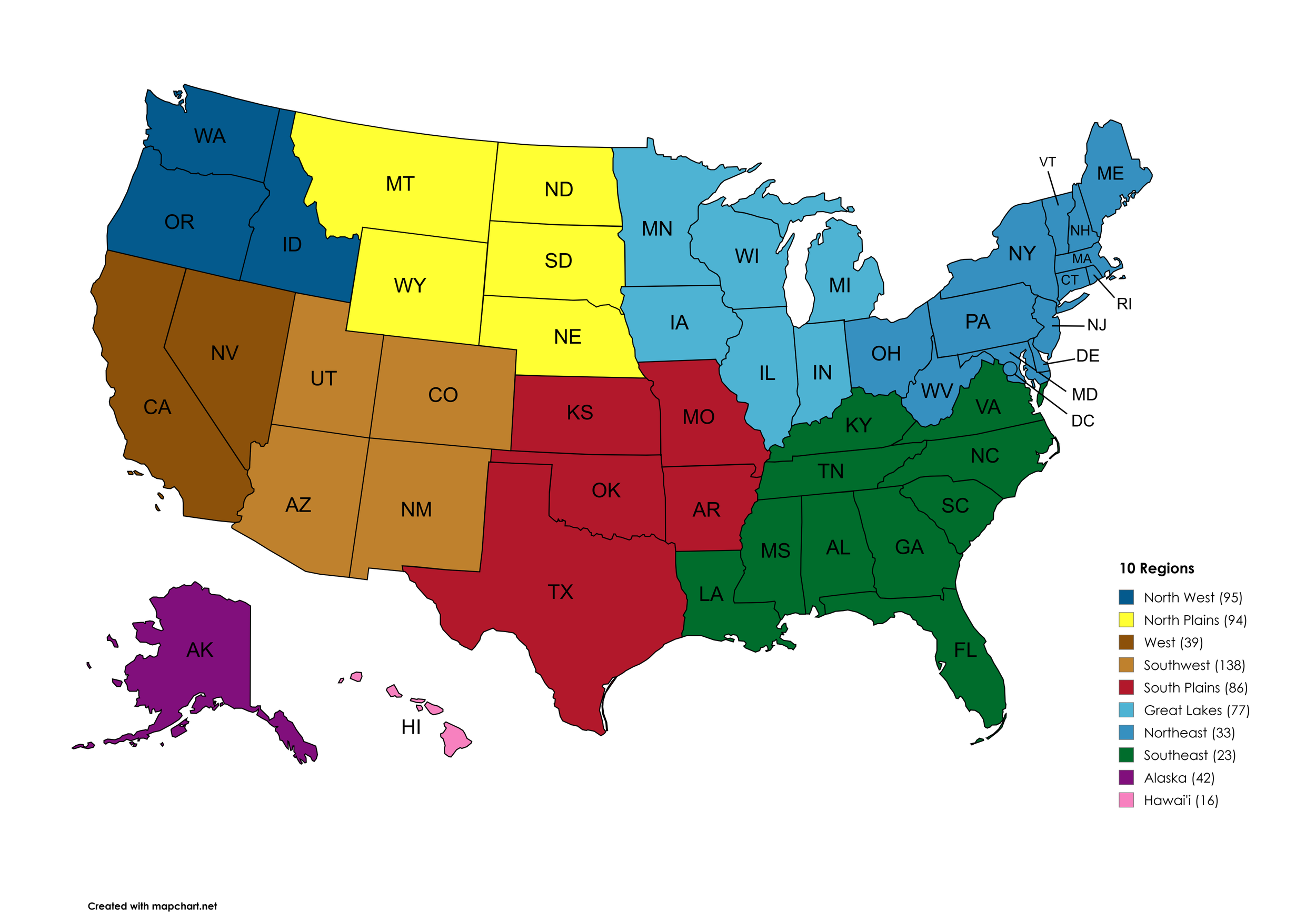
PROPOSED
Current and Proposed Regions
Current Regional StructureProposed Regional StructureAlaskaAlaskaHawaiʻiHawaiʻiWestWestGreat PlainsNorth Plains—South Plains—Northwest—Southwest—Great LakesNortheastNortheastSoutheastSoutheast
What Would the Proposal Accomplish?
The proposed governance model is intended to:
Increase regional representation across Native communities
Create more balanced geographic regions
Improve opportunities for members to have a representative who understands the unique needs of their region
Strengthen member engagement and participation
Provide every major region with a dedicated Board voice
Continue preserving Tribal diversity within Board membership
Maintain student leadership opportunities
These priorities were reflected throughout the listening sessions and Governance Committee review process.
How Was the Proposal Developed?
The proposed amendments are the result of an extensive governance review involving NIEA members, the Governance Committee, and the Board of Directors.
The process included:
Review by the NIEA Governance Committee
Community discussion during the 2025 NIEA Convention in Spokane, Washington
Three national virtual listening sessions
An opportunity for written public comment
Multiple Governance Committee discussions and revisions informed by member feedback
Formal review by the NIEA Board of Directors
Board approval to advance the proposal to the membership for consideration
The NIEA Governance Committee is composed of NIEA members, Board members, and staff working collaboratively to review governance policies and recommend improvements that strengthen the organization.
Community Engagement Timeline
October 2025
Initial Member Discussion
The governance proposal was introduced during the NIEA Convention in Spokane, Washington. Members participated in open discussion regarding regional representation and Board structure.
Spring 2026
Three National Virtual Listening Sessions
Members from across Indian Country participated in facilitated discussions focused on:
Proposed regional maps
Governance structure
Regional equity
Representation
Board composition
Implementation questions
These sessions represented the first time NIEA used a national virtual format specifically to gather member feedback on governance proposals.
Spring 2026
Written Public Comment
Members were invited to submit written comments following the listening sessions to provide an additional opportunity for feedback and participation.
Spring–Summer 2026
Governance Committee Review
The Governance Committee reviewed:
Listening session feedback
Written public comments
Alternative regional models
Constitutional language
Bylaw revisions
Transition planning
Multiple revisions were made before forwarding recommendations to the Board of Directors.
Summer 2026
Board of Directors Review
After reviewing the Governance Committee's recommendations, the NIEA Board of Directors voted to advance the proposed Constitution and Bylaw amendments to the membership for consideration.
October 2026
2026 NIEA Elections | Buffalo, New York
Voting members will have the opportunity to vote on the proposed Constitution and Bylaw amendments during the 2026 NIEA Elections on Friday, October 9, 2026, at the 57th Annual NIEA Convention & Trade Show in Buffalo, New York.
2027
Phased Implementation (If Approved)
If approved by the membership, implementation would begin through a phased transition designed to maintain continuity of governance.
What We Heard from Members
Across the listening sessions, members generally supported the concept of expanding to ten regions. Questions focused primarily on how regional boundaries were determined, why geography and membership data were prioritized, and how implementation would occur. Participants also discussed historical Tribal geography, funding considerations, and alternative regional configurations.
The Governance Committee explained that geography and membership data provided the most objective and consistently documented framework for creating balanced regions. Member feedback throughout the process informed revisions before the proposal was advanced to the Board of Directors.
Summary of Proposed Constitution & Bylaw Amendments
Constitution
Article IV – Board of Directors
Current Structure
6 Regional Board Members
4 General At-Large Board Members
2 Student At-Large Board Members
Proposed Structure
10 Regional Board Members
0 General At-Large Board Members
2 Student At-Large Board Members
The overall Board size remains 12 members.
Bylaws
Article IV – Board of Directors
Board elections would change from:
6 Regional positions
4 General At-Large positions
2 Student At-Large positions
to:
10 Regional positions
2 Student At-Large positions
Additional provisions would require:
Student representatives to come from different regions and represent different Tribes.
No more than two non-student Board members to represent the same Tribe at one time.
What Happens Next?
The NIEA Board of Directors has approved forwarding these proposed Constitution and Bylaw amendments to the membership for consideration.
Voting members will have the opportunity to cast their vote during the 2026 NIEA Elections on Friday, October 9, 2026, at the 57th Annual NIEA Convention & Trade Show in Buffalo, New York.
If approved, the new governance structure would not take effect immediately. Instead, implementation would begin through a phased transition in 2027 to maintain continuity of Board leadership while moving to the new regional representation model.
Looking Ahead
The proposed amendments represent the culmination of an extensive member-informed governance review designed to strengthen representation while preserving NIEA's commitment to Native leadership, Tribal diversity, student leadership, and member engagement.
Ultimately, the decision rests with NIEA's voting membership. During the 2026 NIEA Elections on Friday, October 9, 2026, eligible voting members will determine whether these proposed Constitution and Bylaw amendments become part of NIEA's governance structure.